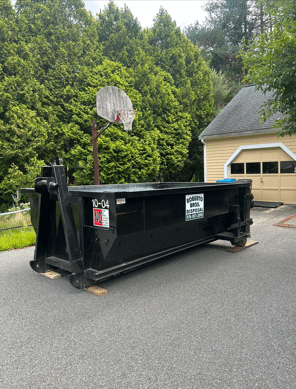

Why Understanding Roll Off Dumpster Costs Matters for Your Project
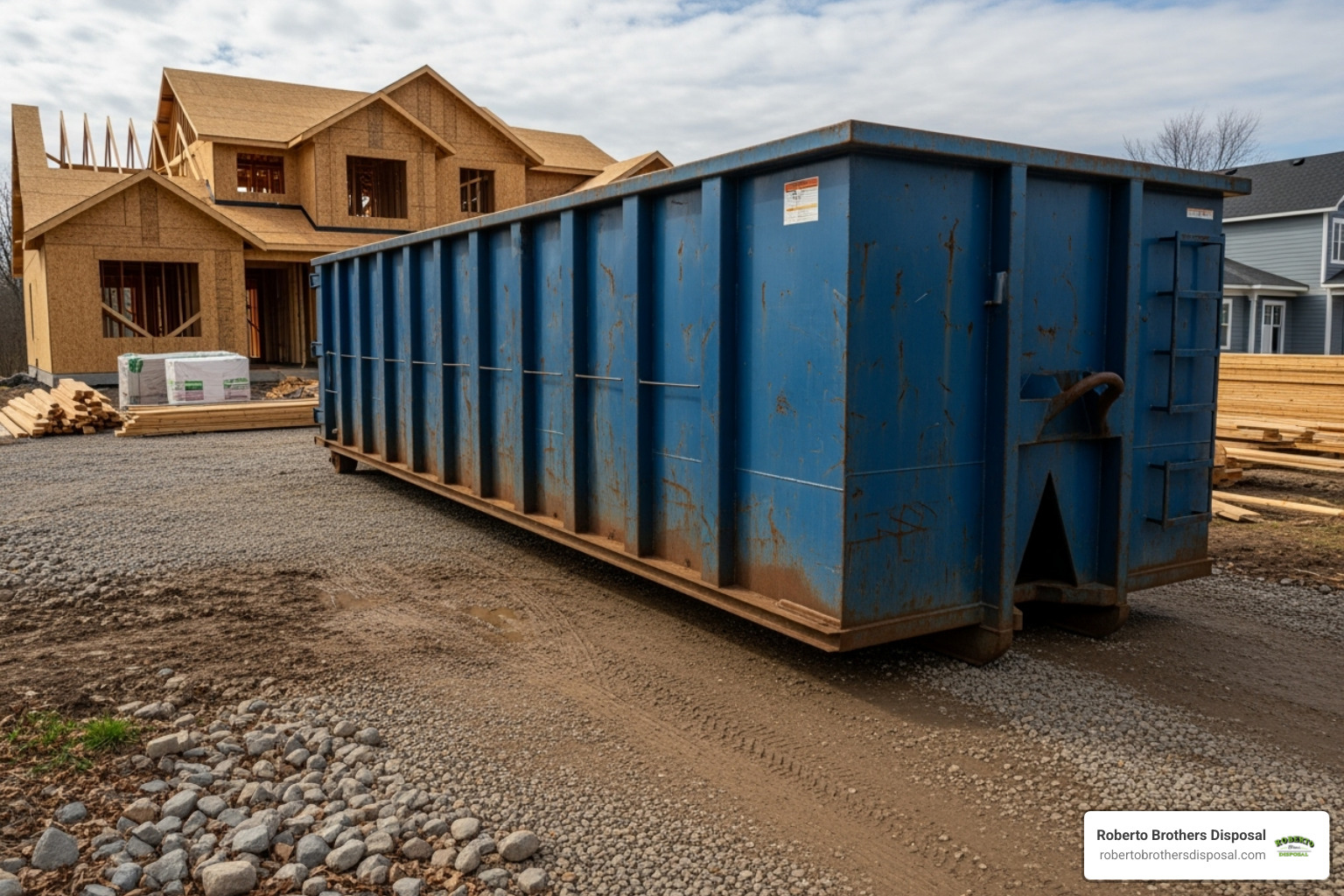
Starting on a major project, whether it’s a long-awaited home renovation, a massive decluttering effort, or a new construction build, generates a significant amount of waste. Managing this debris efficiently is key to keeping your project on track and on budget. The average cost of a roll off dumpster ranges from $250 to $1,115 nationwide, with most homeowners spending around $596. While this gives you a ballpark figure, understanding the details behind the price is what empowers you to make smart financial decisions. Knowing these costs upfront provides peace of mind, helps you budget effectively, and prevents the stress of unexpected charges derailing your progress.
Quick Answer – Average Roll Off Dumpster Costs:
- National Average: $596
- Typical Range: $250 – $1,115
- 10 Yard Dumpster: $250 – $690 (average $470) – Ideal for small cleanouts and single-room renovations.
- 15 Yard Dumpster: $307 – $724 (average $516) – A great mid-size option for kitchen remodels or flooring removal.
- 20 Yard Dumpster: $315 – $773 (average $544) – The most popular choice, perfect for larger renovations and whole-home cleanouts.
- 30 Yard Dumpster: $377 – $975 (average $676) – Suited for major construction debris and large-scale projects.
- 40 Yard Dumpster: $432 – $1,115 (average $774) – The largest option for commercial jobs and extensive demolition.
When you’re managing waste from a big project, roll off dumpsters offer the most practical and convenient solution. They are delivered directly to your site and sit in your driveway for days or even weeks, allowing you to load debris at your own pace. But with such wide price ranges, knowing what drives these costs becomes crucial to securing a fair price.
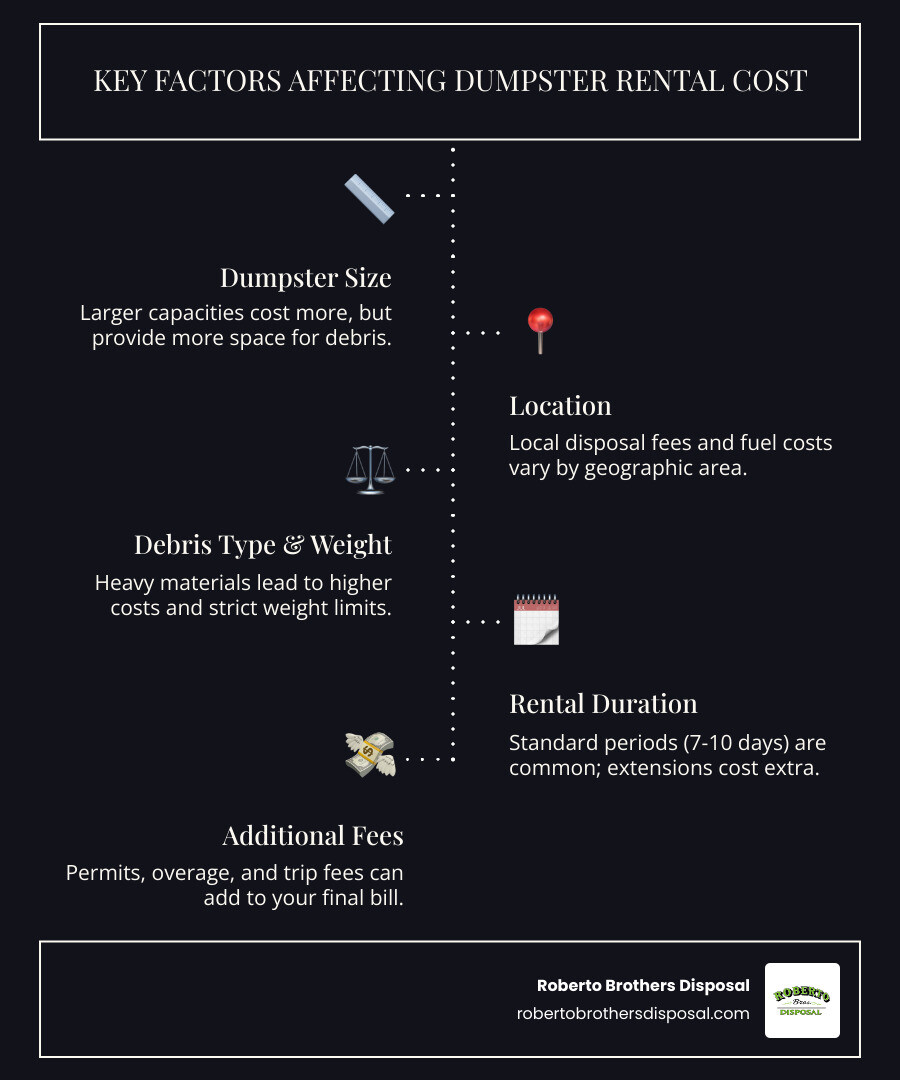
Several key factors determine your final price:
- Dumpster size and capacity: The physical size of the container is the primary cost factor; a larger dumpster holds more waste and costs more to rent and haul.
- Your location and local disposal fees: Proximity to landfills, regional fuel costs, and local tipping fees can cause prices to vary significantly between towns.
- Type and weight of debris: Heavy materials like concrete or dirt can quickly exceed weight limits, leading to overage fees, while lighter household junk is less of a concern.
- Rental duration: Most rentals include a standard period (e.g., 7-10 days), with extra fees for keeping the dumpster longer.
- Additional fees and permits: Potential extra costs can include charges for overages, trip fees if the dumpster is inaccessible, or city permits for street placement.
This guide breaks down everything you need to know about roll off dumpster pricing. You’ll learn how to choose the right size, anticipate all potential costs, avoid hidden fees, and find practical ways to save money on your rental.
Find more about average cost of a roll off dumpster:
- 15 yard dumpster rental prices
- commercial dumpster rental prices
- concrete dumpster rental prices
Understanding the Average Cost of a Roll Off Dumpster
When you’re planning a project that involves a dumpster rental, it’s important to understand that the average cost of a roll off dumpster isn’t a fixed number. While the national average sits around $596, your actual cost will be a unique figure based on your specific needs. Think of it as a customized service, not an off-the-shelf product.
The pricing model is a bit like ordering a pizza – the base price gets you started, but the size you choose (small, medium, or large), your delivery location, and any special “toppings” (like extra rental days or heavy materials) all affect your final bill. The same principle applies to dumpster rentals, where several key factors work together to determine your total cost. As a local company, we can help you steer these options to find the most cost-effective solution for your project.
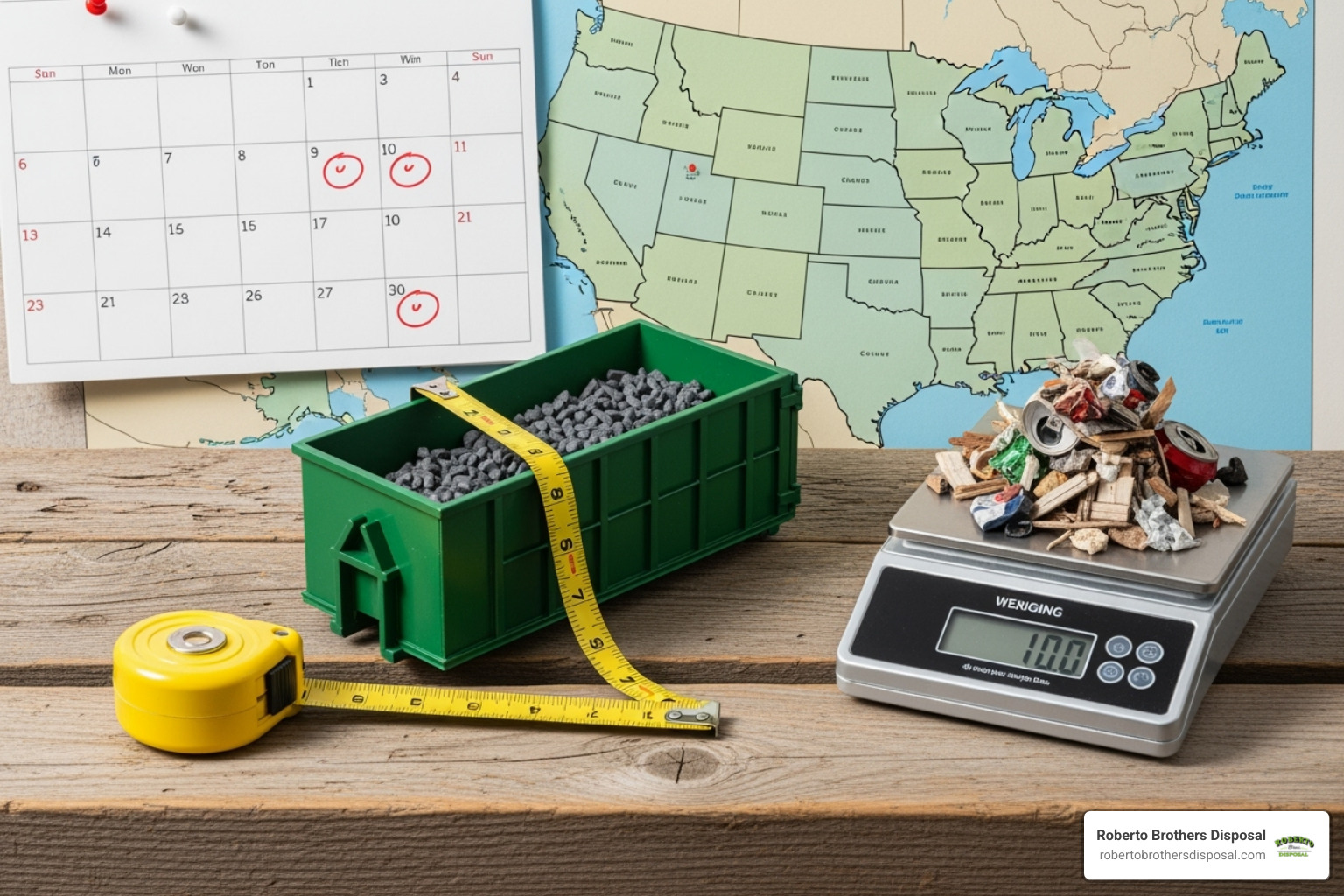
Understanding these factors upfront helps you make smart decisions, get an accurate quote, and avoid any surprise charges later. Let’s explore the main elements that influence your dumpster rental price.
The Average Cost of a Roll Off Dumpster by Size
Size is hands down the biggest factor that affects the average cost of a roll off dumpster. It’s pretty straightforward – bigger dumpsters hold more waste, so they cost more to rent, transport, and dispose of. But choosing the right size isn’t just about going big or small; it’s about finding that sweet spot where you get enough capacity without paying for space you won’t use. Ordering a dumpster that’s too small means you might need a second one, which is far more expensive than getting the right size from the start.
Here’s how our different dumpster sizes break down:
| Dumpster Size | Dimensions | Typical Projects | Average Cost Range |
|---|---|---|---|
| 10 Yard | 3.25′ tall x 7.25′ wide x 12′ long | Small cleanouts, bathroom renovations, dirt/concrete removal | $250 – $690 |
| 15 Yard | 4′ tall x 7.25′ wide x 14′ long | Kitchen remodels, flooring projects, single-car garage cleanouts | $307 – $724 |
| 20 Yard | 5.5′ tall x 7.25′ wide x 14′ long | Whole room renovations, large cleanouts, roofing or siding jobs | $315 – $773 |
| 28 Yard | 6′ tall x 7.25′ wide x 17′ long | Major construction, estate cleanouts, commercial projects | $377 – $975 |
The 10-yard dumpster is perfect for smaller projects like cleaning out a single room, removing a small patio, or tackling a half-bath renovation. Despite being our smallest option, it can still handle a surprising amount of debris—roughly equivalent to 3-4 pickup truck loads.
Moving up to the 15-yard size gives you more room for medium-sized projects. Many homeowners find this size ideal for kitchen remodels, removing flooring from a large area, or cleaning out a cluttered basement or single-car garage.
The 20-yard dumpster is our most popular choice, and for good reason. It offers great versatility for larger renovations, major cleanouts, and even smaller construction jobs like a roofing or siding replacement. It hits the perfect balance of capacity and footprint, fitting comfortably in most driveways.
For the biggest projects, our 28-yard dumpster provides maximum capacity. This size works well for new home construction, major home additions, commercial building cleanouts, or when you’re clearing out an entire estate with years of accumulated items.
How Location Affects the Average Cost of a Roll Off Dumpster
Where you live plays a bigger role in dumpster pricing than you might expect. Even within the same state, costs can vary significantly from one town to another, from Middlesex County to Essex County and beyond.
Fuel costs are a major factor here. The farther our trucks need to travel from our base in Ayer, MA, to deliver and pick up your dumpster, the more it affects the overall price. That’s why local companies like ours can often provide better value and more reliable service to the surrounding communities—we know the routes and the region.
Proximity to landfills and transfer stations also impacts pricing. These facilities are where your waste ultimately ends up. Areas closer to disposal facilities typically see lower costs because there’s less transportation involved. When disposal sites are farther away, those extra miles add up in both time and fuel costs for the hauling company.
Tipping fees – what disposal facilities charge per ton to accept waste – vary widely by location. In densely populated areas or regions with limited landfill space, these fees can be quite high. These costs are a direct pass-through expense for the rental company and are factored into your final price.
Local disposal regulations can also influence costs. Some municipalities have strict rules about waste sorting, what can be mixed, or specific environmental requirements that can add complexity and cost to the disposal process. You can learn more about local regulations by checking your town or city’s public works website, like Ottawa’s garbage and recycling guidelines for an example.
The Role of Debris Type and Weight
Not all trash is created equal when it comes to dumpster rentals. The type and weight of your debris significantly affects your final cost, sometimes more than the dumpster size itself.
Every dumpster rental comes with weight limits, typically ranging from 1 to 10 tons depending on the size and your rental agreement. When you exceed these limits, overage fees kick in, usually charged per ton over the included allowance. These fees can add up quickly, so it’s crucial to estimate your debris weight accurately.
Heavy materials like concrete, brick, dirt, or asphalt are the biggest culprits for weight overages. A small amount of these materials can max out your weight limit even in a large dumpster. For this reason, we offer specialized pricing for “clean loaded” dumpsters containing only these heavy materials. Check out our guide on concrete dumpster rental prices for more details on how to dispose of them affordably.
Lighter household junk like furniture, clothing, cardboard, and general clutter is much more forgiving. You can typically fill a dumpster to capacity with this type of debris without getting close to the weight limit, making the container’s volume the primary cost factor.
It’s also important to know about prohibited items. Things like hazardous or prohibited waste – including chemicals, batteries, paint, tires, and appliances with refrigerants – can’t go in regular dumpsters. Attempting to dispose of them this way can result in significant fines and fees.
Factoring in the Rental Period
Most dumpster rentals come with a standard rental period of 7-10 days, which works well for the majority of residential and commercial projects. This gives you enough time to complete the demolition or cleanout phase and load the dumpster at your own pace without feeling rushed.
If your project timeline extends beyond the standard period, daily extension fees typically apply. These fees are usually reasonable – often $5-15 per day – but they can add up over time. It’s worth planning your project carefully to avoid unnecessary extensions. A good tip is to schedule your dumpster delivery for the day your demolition or cleanout begins, not weeks in advance.
Long-term rentals are also available for bigger projects that span several weeks or months, such as a new home build. These often come with customized pricing and better daily rates than short-term extensions, making them more cost-effective for extended projects.
For more detailed information about rental periods and pricing options, check out our comprehensive guide on roll off dumpster rental prices