
Getting Started: Finding the Right Commercial Dumpster Size
A Guide to Common Commercial Dumpster Sizes and Types
When you’re looking for the right waste solution for your business or project, understanding your options makes all the difference. Commercial dumpster sizes come in various shapes and configurations, each designed with specific needs in mind. Think of it like choosing the right tool for the job – you wouldn’t use a hammer to fix a watch, right?
Front-Load Dumpsters: The Standard for Daily Business Waste
If you’ve ever walked behind a restaurant or office building, you’ve probably seen a front-load dumpster. These are the workhorses of the waste management world, designed to handle your day-to-day business waste with ease.
What makes front-load dumpsters special is how they’re serviced. The garbage truck uses metal forks that slide into pockets on the sides of the dumpster, lifting it up and over the front of the truck. It’s pretty neat to watch if you’ve never seen it in action! These dumpsters typically have lids and a slanted top design to keep rain out and odors in.
The beauty of front-load dumpsters lies in their permanent service setup. Once you choose your size, we’ll deliver it and pick it up on your regular schedule – whether that’s daily, weekly, or whatever works best for your business.
Let’s talk about the 2 Yard Dumpster first. At roughly 6 feet long, 3 feet wide, and 3 feet high, this compact container holds about 24 kitchen-sized trash bags and can handle around 400 pounds. It’s perfect for small coffee shops, boutiques, or cozy offices with fewer than 20 employees. If you’re running a smaller operation, this size keeps things tidy without taking up too much space.
Moving up, the 4 Yard Dumpster measures about 6 feet long, 3 feet wide, and 4 feet high. With space for roughly 48 trash bags and an 800-pound capacity, it’s ideal for mid-size restaurants, convenience stores, or small apartment complexes with under eight units. Many businesses with up to 100 employees find this size hits the sweet spot.
The 6 Yard Dumpster steps things up considerably at 6 feet long, 5 feet wide, and 6 feet high. This size accommodates around 72 trash bags and handles about 1,200 pounds of waste. Hotels, larger offices up to 15,000 square feet, retail plazas, and schools often choose this size. It’s great for businesses that are growing or have steady customer traffic.
For high-volume waste generators, the 8 Yard Dumpster is your best friend. At roughly 6 feet long, 6 feet wide, and 7 feet high, it holds about 96 trash bags and can handle 1,600 to 1,800 pounds. Grocery stores, shipping centers, manufacturing facilities, universities, and large retailers up to 25,000 square feet typically need this size. If you’re constantly overfilling smaller containers, upgrading to an 8-yard dumpster often solves the problem.
You might also encounter rear-load and side-load dumpsters in some areas. The main difference is how the truck services them – rear-load dumpsters connect directly to the truck’s face and work well in tight spaces, while side-load dumpsters are typically smaller and designed for specific collection routes. All these types work great for ongoing, regular waste service.
Roll-Off Dumpsters: The Solution for Large-Scale Projects
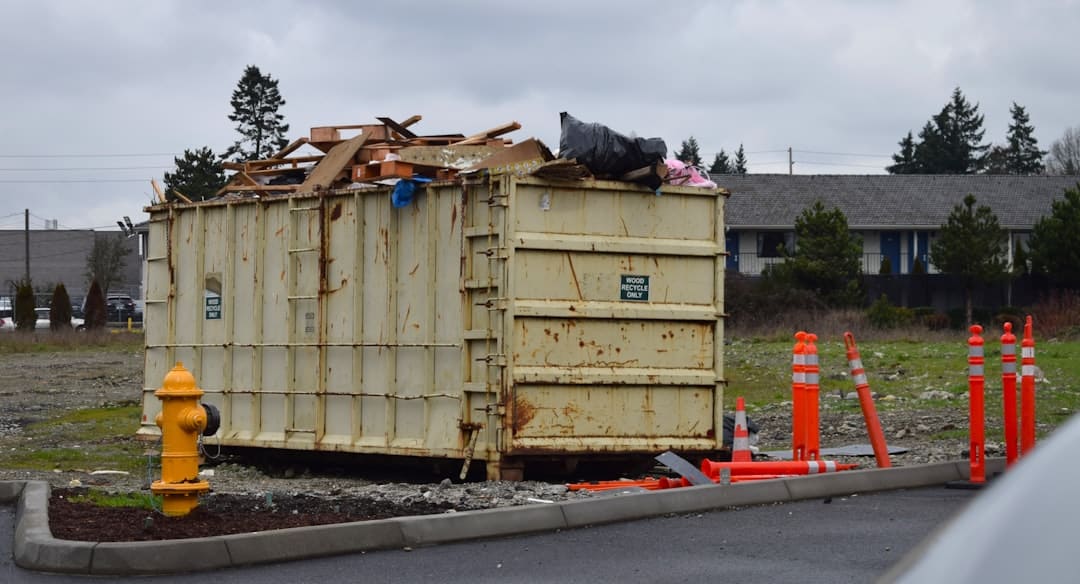
When you’re tackling a big project – think construction, major renovations, or extensive cleanouts – you need a different kind of solution. That’s where roll-off dumpsters shine. These open-top containers are designed for temporary projects and can handle much larger volumes of waste than their front-load cousins.

What makes roll-off dumpsters unique is their rear door that swings open, making it easy to load bulky items or walk materials right in. A specialized truck literally rolls the dumpster off its bed onto your property, and when you’re done, it rolls it right back on. Pretty straightforward, right?
At Roberto Brothers Disposal, we offer several roll-off sizes to match your project needs. You can find More info about roll-off dumpsters on our website.
Our 10 Yard Dumpster measures 12 feet long, 7.25 feet wide, and 3.25 feet tall. Don’t let the smaller height fool you – this container is perfect for heavy materials like concrete, bricks, and dirt. It typically holds 1 to 2 tons of material, equivalent to about 3 pickup truck loads. The lower height makes it easier to load heavy items without straining your back.
The 15 Yard Dumpster gives you more room at 14 feet long, 7.25 feet wide, and 4 feet tall. This versatile size works great for larger home cleanouts, seasonal yard waste projects, or small to medium renovation jobs. Like the 10-yard, it can handle 1 to 2 tons of debris – roughly 4 to 5 pickup truck loads.
Our most popular choice is the 20 Yard Dumpster, measuring 14 feet long, 7.25 feet wide, and 5.5 feet tall. This size strikes the perfect balance for roofing projects, mid-sized remodels, office cleanouts, or light demolition work. It typically holds 2 to 3 tons of material, or about 6 to 8 pickup truck loads. The extra height gives you more flexibility for bulkier items.
For your biggest projects, the 28 Yard Dumpster measures 17 feet long, 7.25 feet wide, and 6 feet tall. This substantial container handles major cleanouts, large construction debris, or extensive renovation projects with ease. When you need maximum capacity and have the space for it, this is your go-to option.
Roll-off dumpsters are perfect when you have a significant amount of material to dispose of over a limited time frame. They keep your project site clean and organized, helping you stay on schedule and avoid safety hazards from scattered debris.
How to Select the Perfect Dumpster for Your Business Needs
Choosing the right commercial dumpster sizes can feel a bit like finding the perfect pair of shoes – you want one that’s just right. Too small, and you’ll quickly be overflowing, leading to extra headaches and costs. Too large, and you might be paying for empty space. The goal is to find that sweet spot, and it’s easier than you think when you know what to look for!
Finding the ideal dumpster size for your business means your waste management runs smoothly. It saves you money, keeps your property tidy, and helps you stay on schedule.
Key Factors for Choosing Your Commercial Dumpster Sizes
To help you make the best decision, let’s look at a few important things to consider:

First up is Waste Volume. This is probably the most important question: How much trash or debris does your business or project actually create? For your everyday business waste, think about how many standard kitchen trash bags you fill each day or week. For big projects, try to estimate the total amount of debris. It’s usually better to guess a little high than too low. Why? Because coming up short means more pickups or extra fees, and nobody wants that! A cubic yard, by the way, is a space that’s 3 feet by 3 feet by 3 feet – imagine a big, invisible cube!
Next, consider the Debris Type. What are you actually throwing away? If it’s light, bulky stuff like cardboard boxes, plastic wrap, or typical office trash, it’ll fill a dumpster quickly by volume but won’t weigh much. Think of it like a giant bag of potato chips – looks big, but light. However, if you’re tossing heavy materials like concrete, dirt, bricks, or asphalt, that’s a different story. Even a small amount can make your dumpster very heavy, pushing you over its weight limit even if it’s not full. If you have heavy debris, you might need a smaller cubic yard dumpster to stay within those weight limits and avoid extra charges.
Then there’s Pickup Frequency. For ongoing business waste, how often do you need your dumpster emptied? Daily, weekly, twice a month, or maybe just once a month? Your business’s waste production will tell you this. If you pick a smaller dumpster but generate a lot of trash, you’ll need more frequent pickups. This can sometimes add up to more cost overall. On the flip side, a larger dumpster might let you schedule fewer pickups, which can actually be more budget-friendly in the long run.
Don’t forget about Available Space. Where will the dumpster actually sit? Do you have a clear, flat spot for it? And is there enough room for the collection truck to get in, empty it, and get out safely? Think about the dimensions of the dumpster you’re considering. Some commercial dumpsters can be quite tall or long, needing plenty of overhead room or space for the truck to turn around. If your space is tight, a rear-load dumpster might fit better than a front-load one, as they often have a smaller footprint and need less maneuvering room for the truck.
Every dumpster size comes with Weight Limits. Going over this limit will lead to extra charges, often called “overage fees.” That’s because landfills charge us by the ton. We really encourage you to try and estimate the weight of your debris as best as you can. It helps avoid any surprises!
Finally, think about your Business Type. As we’ve learned, different businesses create different kinds and amounts of waste. A small coffee shop’s needs are very different from a huge factory’s!
For those just getting started with roll-off rentals, our Beginner’s guide to roll-off rentals offers even more helpful advice.
Matching Commercial Dumpster Sizes to Your Industry
Let’s explore how different commercial dumpster sizes typically fit various types of businesses:
- Restaurants & Food Service: These spots often generate lots of food waste and packaging. Smaller front-load dumpsters, like our 2-yard or 4-yard options, are often perfect for daily waste. This allows for frequent pickups, which is great for managing smells and keeping things clean. For busy restaurants, a 4-yard bin is often the go-to, while truly busy places might even consider a 6-yard.
- Retail Stores: Depending on their size and what they sell, retail stores produce a mix of packaging, general trash, and often lots of cardboard. A 4-yard or 6-yard front-load dumpster is pretty common. Larger stores or those doing a big renovation might need an 8-yard front-load, or even a temporary roll-off dumpster, like a 10-yard or 20-yard, for those bigger projects.
- Offices: Offices usually create lighter waste, mostly paper, general trash, and recyclables. A 2-yard dumpster is often plenty for small offices (under 20 employees). For bigger offices or those with 100+ employees, a 4-yard or even a 6-yard dumpster might be necessary to handle the daily volume.
- Apartment Complexes: These properties have many residents, all contributing to the waste stream. A 4-yard or 6-yard front-load dumpster is common for smaller complexes. Larger ones might need multiple 6-yard or 8-yard dumpsters to keep up with the volume.
- Construction & Remodeling: These projects are the classic fit for roll-off dumpsters. They’re built for big jobs!
- For small remodels or very heavy debris like concrete, our Details on our 10 Yard Roll Off Dumpster is an excellent choice. This dumpster measures 3.25′ tall x 7.25′ wide x 12′ long.
- Mid-sized projects, roofing jobs, or significant cleanouts often benefit from our See our 20 Yard Roll Off Dumpster. This popular size is 5.5′ tall x 7.25′ wide x 14′ long.
- For truly massive demolition or construction, our 28-yard roll-off dumpster, measuring a substantial 6′ tall x 7.25′ wide x 17′ long, will likely be needed to handle the huge amount of debris.
By carefully thinking about your specific needs and the kind of waste you’ll be tossing, you can confidently pick the perfect dumpster size. This ensures your operations stay clean, efficient, and cost-effective, which means more money in your pocket and less hassle!
Understanding the Logistics of Commercial Dumpster Service
Once you’ve zeroed in on the ideal commercial dumpster sizes for your business, it’s time to understand the practicalities of commercial waste management. This includes grasping the cost structure, determining pickup schedules, and navigating local regulations.
What to Expect for Costs and Pickup Schedules
The cost of commercial dumpster rental isn’t a one-size-fits-all number. Several factors come into play:
- Dumpster Size: Larger dumpsters naturally cost more than smaller ones due to their capacity and the resources required to transport and empty them.
- Type of Dumpster: Roll-off dumpsters for temporary projects are typically rented for a set period (e.g., 7-10 days) with a flat fee, plus charges for additional days or tonnage overages. Front-load dumpsters for recurring service are usually priced on a monthly basis, including weekly emptying.
- Pickup Frequency: For ongoing service, more frequent pickups (e.g., daily vs. weekly) will increase your monthly cost. However, choosing a frequency that matches your waste generation can save you money in the long run by avoiding overflows and extra pickups.
- Location: Pricing can vary depending on your geographical area. Factors like local disposal fees, fuel costs, and regional demand can influence the overall price. As a local, family-run business based in Ayer, MA, serving Middlesex County, Worcester County, Essex County, and Southern New Hampshire, we understand the local market and strive to offer transparent pricing.
- Weight of Debris: Landfills charge by weight, so your rental cost will often include a weight limit. Exceeding this limit can result in “overage fees” charged per ton. For example, typical monthly costs for an 8-yard dumpster service can range from $220-$300, while a 6-yard might be $130-$165 per month, with weight limits influencing the final bill.
- Type of Waste: Certain types of waste, particularly hazardous materials or construction and demolition debris, may incur additional disposal fees.
At Roberto Brothers Disposal, we offer flexible and customizable pickup schedules. Whether your business needs daily, weekly, bi-weekly, or even monthly service, we work with you to find a routine that fits your specific needs and budget. Our goal is to provide reliable service without hidden fees, ensuring you only pay for the service you truly need.
Navigating Placement Regulations and Prohibited Items
Placing a commercial dumpster isn’t as simple as just dropping it anywhere. There are often local laws and regulations to consider, especially in densely populated areas like many towns across Massachusetts and New Hampshire.

- Placement Laws: Municipalities often have rules about where dumpsters can be placed. This can include requirements for placement on private property only, specific distances from property lines, or restrictions on blocking public rights-of-way, sidewalks, or street intersections during pickup. In some cases, a permit may be required if the dumpster needs to be placed on public property, such as a street or alley. For instance, in Hollywood, Florida, municipal codes require dumpster enclosures if they are in public view and cannot block street intersections. Enclosures must be at least 12 inches taller than the highest point of the dumpster. It’s always best to check with your local municipal waste department or us to understand specific requirements in your area.
- Enclosure Requirements: For aesthetic and safety reasons, many cities require commercial dumpsters to be housed within an enclosure, particularly if they are visible from public areas. These enclosures are typically constructed of sturdy materials like concrete blocks or wood and must meet specific height and design standards.
- Allowed Items: Generally, our commercial dumpsters accept common business waste, including:
- General office trash
- Food waste (for restaurants, cafes)
- Paper and cardboard (often separated for recycling)
- Non-hazardous retail waste
- Light construction debris (for roll-off dumpsters)
- Prohibited Items: To ensure safety and comply with environmental regulations, certain items are strictly prohibited from commercial dumpsters:
- Hazardous Waste: This includes chemicals, paints, solvents, motor oil, asbestos, and medical waste.
- Flammable Materials: Anything that could pose a fire risk.
- Tires: Due to their disposal challenges.
- Batteries: Especially car batteries, which contain lead and acid.
- Electronics (E-waste): TVs, computers, and other electronics contain hazardous materials and often require special recycling.
- Large Appliances: Refrigerators, washers, dryers, etc., often have Freon or other components that need proper removal.
- Asbestos: A highly regulated hazardous material.
If you’re unsure about an item, it’s always best to ask us. We can guide you on proper disposal methods. You can also Search how to properly dispose of materials through various online resources. Our commitment to eco-friendly waste disposal means we handle your waste responsibly, whether it’s general trash or items requiring specialized recycling.
Frequently Asked Questions about Choosing a Dumpster
We get it – navigating waste management can bring up a lot of questions! You’re not alone. Many businesses and individuals wonder about the best way to handle their trash and debris. Here are some of the most common questions we hear, answered to help you make the smartest choice for your needs.
What’s the difference between a commercial dumpster and a roll-off dumpster?
This is a fantastic question, and it’s a common point of confusion! Think of them as two different tools designed for different jobs.
-
Commercial Dumpsters (often called front-load or rear-load dumpsters) are your everyday heroes for ongoing business waste. These are the containers you typically see tucked behind restaurants, retail stores, or office buildings. They’re built for ongoing, permanent service, meaning we’ll set up a regular pickup schedule – maybe weekly, bi-weekly, or even daily – to keep your business tidy. They generally come in smaller commercial dumpster sizes, ranging from 2 to 8 cubic yards, and often feature convenient lids to keep odors in and unwanted visitors out. They’re the steady workhorses for consistent waste generation.
-
Roll-Off Dumpsters, on the other hand, are the heavy lifters for bigger, temporary projects. These are the large, open-top containers you’d spot at a construction site, during a major home renovation, or a massive cleanout. They’re designed for temporary projects that generate a significant amount of debris, like demolition, roofing, or large-scale landscaping. They come in much larger sizes, from 10 to 28 cubic yards (the largest we offer!). A specialized truck “rolls” the dumpster off its bed right onto your property. Once it’s packed full, the truck returns to “roll” it back up and haul it away. They’re perfect for those big, one-time waste disposal needs.
How do I know if I’ve chosen a big enough dumpster?
Ah, the Goldilocks dilemma of dumpsters! It’s super common to wonder if you’ve picked the right size. Here are some clear signs that your current dumpster might be feeling a bit cramped, or that your service needs a little tweak:
- Frequent Overflows: Is your dumpster consistently overflowing before your scheduled pickup? If trash is spilling out or the lid won’t close, it’s a pretty clear signal you need more space.
- Paying Overage Fees Regularly: Even if your dumpster isn’t visibly overflowing, if you’re consistently getting charged for exceeding weight limits, it means your waste is denser than you thought. A larger size or more frequent pickups could actually save you money.
- Needing Extra Pickups: If you find yourself calling us frequently for unscheduled pickups between your regular service days, you’re likely spending more than you would if you just had a slightly larger dumpster or a more frequent scheduled service.
The best solution? Take a little waste inventory! Track how much trash you’re generating for a few weeks. Then, give us a call at Roberto Brothers Disposal. We’re experts at assessing waste volume and can recommend the perfect upgrade or adjustment to your pickup schedule. It can save you both money and headaches in the long run!
Can I put heavy materials like concrete in any commercial dumpster?
This is a really important question, and the short answer is: not just any dumpster! While a general commercial dumpster can handle some heavier items, it’s crucial to understand weight limits and the specific type of dumpster.
For very heavy debris like concrete, brick, asphalt, dirt, or even dense roofing shingles, we always recommend a roll-off dumpster. Why? Because these materials pack a serious punch in terms of weight, and regular commercial dumpsters (the front-load ones) aren’t built to handle that kind of concentrated tonnage without risking damage or incurring huge overage fees.
Specifically, our 10-yard roll-off dumpster is often the star for heavy materials. Even though it’s one of our smaller roll-off sizes, measuring 3.25′ tall x 7.25′ wide x 12′ long, its robust construction and lower height make it ideal. It can handle those dense materials without quickly pushing you over weight limits. Trying to cram heavy debris into a larger dumpster designed for lighter, bulkier waste can lead to unexpected costs or even make the container unsafe to transport.
The golden rule? Always let us know what type of material you’ll be disposing of when you book your dumpster. This way, we can recommend the safest and most cost-effective solution for your specific project.
You can find More FAQs here on our website, covering a wide range of questions about our services.
Your Partner in Smart Waste Management
Navigating commercial dumpster sizes might have seemed a bit daunting at first. But as we’ve explored together, choosing the right size and type of dumpster is a really smart move for your business. It can truly make a difference in how smoothly your operations run and even save you money!
Picking the perfect dumpster isn’t just about throwing trash away. It’s a strategic choice. By thinking carefully about:
- How much waste you generate
- What kind of debris you’re tossing
- The space you have available
- And those important local rules
…you can make sure your waste management solution fits your business or project like a glove.
Imagine this: a well-chosen dumpster saves you from those annoying extra fees and too many pickups. It also helps keep your business or work site cleaner, safer, and much more organized. That’s a win-win in our book!
Here at Roberto Brothers Disposal, we’re proud to be your local, family-run partner in waste management. We’ve been helping businesses and neighbors like you for over 20 years! We understand the unique needs of our communities, serving areas across Massachusetts (including Ayer, Middlesex County, Worcester County, and Essex County) and Southern New Hampshire.
We believe in making things easy for you. That’s why we offer fast, affordable, and super reliable junk removal and roll-off dumpster rentals. You’ll always get personalized customer service and clear, honest pricing. Plus, we’re dedicated to eco-friendly waste disposal. This means your waste is handled responsibly, every single time.
Ready to find the perfect dumpster solution for your needs? We’re here to help you haul it all, big or small!